

Sleep is honestly one of the most important parts of our health, yet so many of us still wake up feeling tired or like we barely rested at all. For a long time, sleep tracking was something only smartwatches or fitness bands handled. But now, there’s a new little gadget taking over the smart ring space.
These tiny rings can track your heart rate, sleep cycles, breathing, and more, and many have even been tested in proper labs. So they’re not just cute tech accessories, they’re becoming serious tools for understanding your sleep.
Let’s break everything down in a simple way.
1. Why Smart Rings Matter for Sleep
Smart rings are becoming popular mainly because they’re comfortable and accurate, and their battery usually lasts way longer than a watch. When you sleep, comfort is a big deal. A watch can feel heavy or annoying at night, but most smart rings are so light you literally forget you’re wearing them.
-
Here’s why people prefer rings for sleep
-
They track your health all night without bothering you
-
They sit close to your finger’s blood vessels, so readings are more accurate
-
They’re super lightweight
-
They don’t just show numbers; they actually give you useful insights
Overall, smart rings make sleep tracking feel effortless.
2. Lab-Tested Accuracy Results
A lot of popular smart rings have been compared with polysomnography (PSG), which is the gold standard sleep test used in clinics. Researchers check how well rings match up with lab machines when tracking sleep stages, heart rate, oxygen levels, and so on.
-
Across different studies, the results have been surprisingly good
-
80–90% accuracy for sleep/wake detection
-
Strong similarity with PSG for heart rate and HRV
-
Good accuracy for REM and deep sleep duration
-
Consistent readings every night
Of course, no wearable is 100% perfect compared to a full sleep lab, but smart rings honestly come pretty close.
3. What Sleep Rings Really Track
Sleep rings do more than just count your hours of sleep; they also monitor what happens to your body at night. These small wearables monitor your sleep stages, including light, deep, and REM sleep, giving you a better idea of your sleep quality. They also track your heart rate, heart rate variability, body temperature, and movement patterns to help you understand how well your body is recovering. Some rings can monitor breathing patterns and stress responses throughout the night. Sleep rings combine all of this information to help you determine whether you're getting a good night's sleep and what factors are affecting your sleep.
-
Most sleep rings monitor
-
Heart rate
-
HRV (heart rate variability)
-
SpO₂ (oxygen)
-
Temperature changes
-
Sleep stages
-
Movements or disturbances
-
Respiratory rate
-
Stress + recovery
This helps you understand why you feel tired, not just how many hours you slept.
4. Sleep Ring Benefits Explained
When people say “sleep ring,” they usually mean rings specially designed for nighttime use.
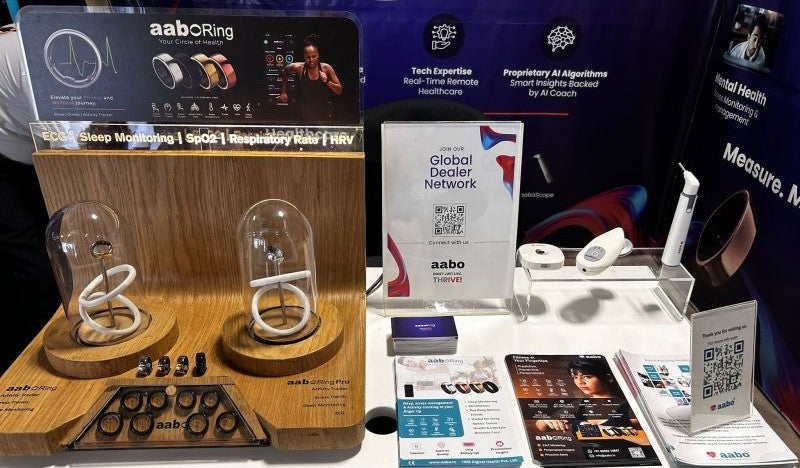
aabo Sleep rings provide a variety of significant benefits that aim to improve your nighttime sleep and general well-being. AI powers this Titanium smart ring to monitor SPO2, HRV, activity, and more. Premium Titanium Build. A scratchproof, lightweight & strong for rough. When people say "sleep ring," they mean smart rings designed to track your body as you sleep. These rings track your sleep stages, heart rate, body temperature, and movement to provide a comprehensive picture of your sleep quality. They aid in the identification of patterns such as restlessness, poor recovery, or inconsistent sleep cycles. Sleep rings analyze this data to deliver insights that can help you change your behaviors, establish a better sleep regimen, and wake up feeling more refreshed and invigorated each day.
They often include:
-
A softer inner surface
-
Lightweight material
-
Extra-sensitive sensors for tracking your body signals
These rings give you details like:
-
How your sleep cycles changed
-
Deep vs. light sleep
-
Breathing quality
-
Your full sleep timeline
-
Sleep quality score
This info makes it easier to fix your habits, routines, and even notice early signs of sleep problems.
Also Read This - Smart Ring vs Smartwatch: The Future of Wearables
5. Rings vs. Watches: Which Is Better for Sleep?
Both can track sleep, but they work differently. Smart rings generally outperform smartwatches for sleep tracking due to their increased comfort, smaller size, and less obtrusiveness, making them easier to wear continuously, resulting in better data. While smartwatches offer more features, their bulkiness often hinders sleep comfort. Although both track similar metrics, such as heart rate, HRV, and temperature, the ring provides detailed sleep stage analysis and recovery insights without requiring an overnight charge.
Why Smart Rings Usually Win
-
More accurate readings from the finger
-
Less movement = better data
-
More comfortable while sleeping
-
Longer battery life
Why Watches Are Still Useful
-
Bigger screens
-
Better for workouts
-
GPS and fitness tracking
But if you're focusing only on sleep, most people (and even researchers) say rings perform better overall.
6. Key Sleep Metrics Explained
The aabo smart ring monitors key sleep metrics such as Sleep Stages (Light, Deep, REM), Sleep Score, Resting Heart Rate (RHR), Heart Rate Variability (HRV), and Respiratory Rate, using sensors for temperature, SpO2, and HR, to provide you with a comprehensive picture of your rest quality, readiness for the day (Readiness Score), and potential issues such as stress or apnea, providing personalized insights for better health.
Sleep tracking can feel confusing, so here’s what the main metrics mean:
Sleep Stages
-
Light Sleep: Most of the night is spent here
-
Deep Sleep: Good for muscle repair and physical recovery
-
REM: Good for memory and emotional balance
- HRV (Heart Rate Variability)
Higher HRV = better stress management and recovery.
- Resting Heart Rate
Lower and stable = usually healthier.
- SpO₂
Low oxygen at night may mean breathing issues.
- Temperature
Changes can indicate stress, sickness, or hormonal changes.
Rings turn all this into easy-to-understand scores.
7. Real-World vs. Lab Data
Aabo reps claim that their smart ring provides "ultra-high accuracy" and "medical grade" data via "research-grade sensors," with specialized internal testing revealing 98-99% accuracy for key measures. However, the data reveals that key measures, such as step counts, can change in real-world use due to the lack of GPS.
There’s always a difference between a controlled lab test and actual everyday use.
Lab Conditions
-
Very controlled
-
No movement
-
Sensors work at peak accuracy
Real Life
-
People toss and turn
-
Room temperature changes
-
Noise or interruptions happen
Even with these differences, good smart rings still remain pretty accurate outside the lab, usually just a small difference here and there.
8. Comfort and Battery Insights
The aabo ring is designed for comfortable 24/7 wear due to its lightweight titanium construction and has a battery life of 4 to 7 days with convenient wireless charging.
One huge reason people love smart rings is simply: comfort.
Comfort Benefits
-
No irritation on the skin
-
Nothing heavy on your wrist
-
Doesn’t get stuck under blankets
Battery Life
Most rings last:
-
5–7 days, typical
-
Some last 10+ days, depending on usage
This is way better than smartwatches that need charging almost every day.
9. Making Sense of Your Sleep Scores
The aabo Ring sleep score delivers a detailed study of your sleep quality by tracking key indicators throughout the night. Understanding this number allows you to detect patterns and make informed lifestyle adjustments for better sleep and general health.
Sleep scores take all the complicated data and turn it into one easy number.
Most rings calculate it using:
-
Total sleep
-
Amount of deep + REM sleep
-
Resting heart rate
-
HRV
-
Movements
-
Breathing
Higher score = better rest & recovery
Lower score = poor sleep or stress
These scores help you understand trends such as:
-
Why do you feel tired
-
How stress affects your sleep
-
Whether your habits are improving
-
How stable your sleep cycles are
Smart rings basically turn science into simple advice.
10. What’s Next for Smart Rings
The future of smart rings like the Abo Ring is one of greater AI integration for personalized health. This will go beyond basic tracking and provide predictive insights into sleep disorders (apnea), stress (cortisol), and women's health (hormones). Advanced models will also feature ECG/cardiac risk monitoring and easy payment/IoT controls. This makes them a true competitor to smartwatches, offering screen-free, continuous health monitoring with medical-grade sensors and actionable, context-aware advice.
Wrapping Up:
Yes, the aaboRing Pro is lab tested and certified. Smart rings are becoming more advanced really fast. Some upcoming features you’ll likely see include:
-
More accurate SpO₂ readings
-
Illness detection before symptoms appear
-
Better stress prediction
-
AI-powered personalized sleep coaching
-
New breathing analysis tools
-
More detailed recovery metrics
Smart rings are slowly turning into tiny health labs you can wear 24/7.
Share:
What Makes Smart Rings the New Trends in Wearable Devices
How AI & Health Rings Are Transforming Daily Wellness - AaboRing